
Is it possible to make a scientific discovery in a dream?

We spend about a third of our lives asleep. Sleep is very important to us, as it is necessary for normalizing connections between neurons and for eliminating their metabolic waste products. In addition, while we are unconscious, the brain is busy analyzing and sorting through the impressions accumulated during the day. In other words, during sleep, memory consolidation occurs, and memories and skills are stored in long-term memory. During this process, new connections are formed between neurons. Sometimes, this processing results in a true discovery.
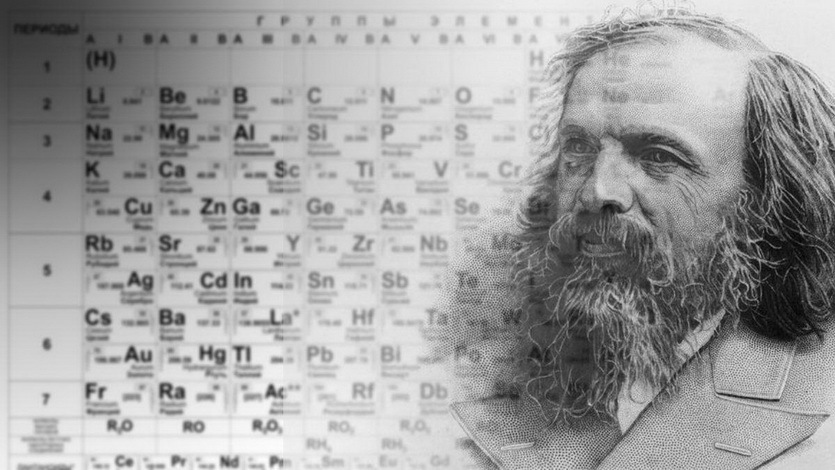
Perhaps the most famous of all scientific dreams is the periodic table of elements, which chemist Dmitri Mendeleev dreamed up. He is credited with the following statement:
“I saw a table in my dream in which the elements were arranged in the order they should be. I woke up, immediately wrote down the data on a sheet of paper, and fell asleep again.”
It is hard to say whether Mendeleev actually said this. Mendeleev himself did not deny it, but he also did not speak of the dream as the main factor that led to this discovery:
“I thought about it (the table) for perhaps twenty years, and you think: I was sitting there and suddenly… it was done”
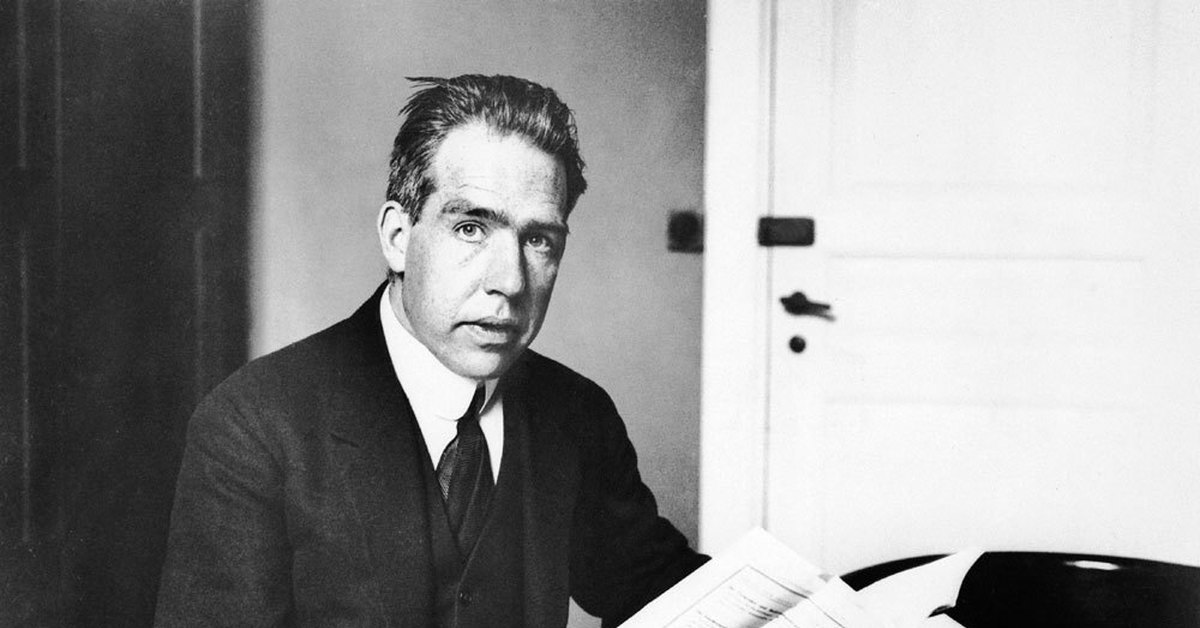
The Danish scientist Niels Bohr is best known for his quantum theory of the atom, which is based on the planetary model of the atom, quantum concepts, and the postulates he proposed. Some researchers studying the life of the famous theoretical physicist claim that Niels Bohr saw the atomic model in a dream and cite the scientist’s own words.
“It was a sun made of burning gas, around which planets connected to it by thin threads revolved. Suddenly, the gas solidified, and the sun and planets shrank dramatically in size.”
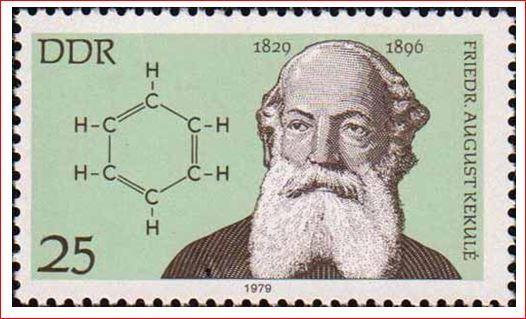
Friedrich August Kekulé, a German organic chemist from the late 19th century , went down in history for applying valence theory to organic compounds and determining the correct, cyclic formula of benzene. According to one account by historians, Friedrich Kekulé imagined benzene as a snake made up of six carbon atoms. The idea of the compound’s cyclic structure came to him in a dream when the imaginary snake bit its own tail.
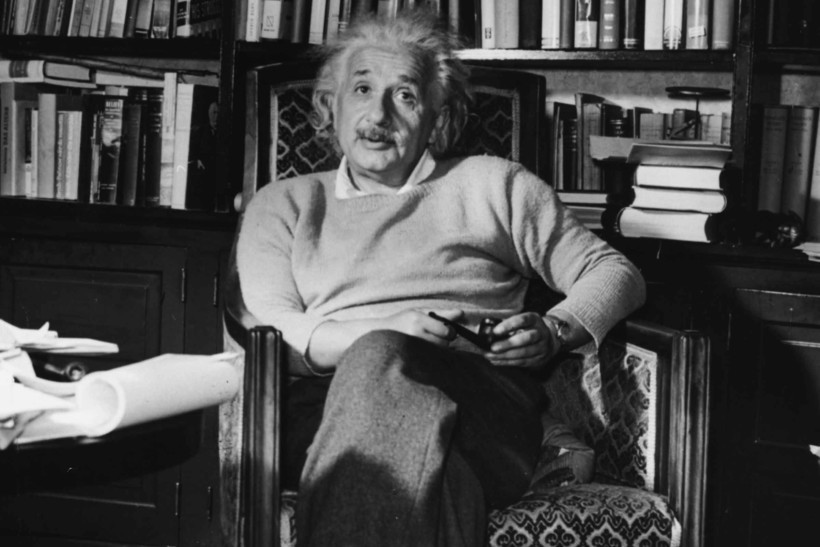
Albert Einstein once said that his entire scientific career was a reinterpretation of a dream he had as a teenager. In that dream, Einstein saw himself riding a sled down a steep, snow-covered slope, gaining speed until all the surrounding colors merged into a single blur. This dream inspired his entire career: he pondered what happens when one reaches the speed of light, according to researchers studying the scientist’s life.
Einstein is known for saying:
“The gift of dreaming meant more to me than my talent for acquiring conscious knowledge … I spent a third of my life in dreams, and that third was by no means the worst.”
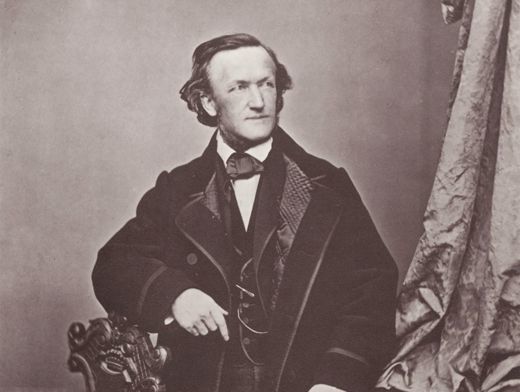
Richard Wagner claimed that he did not conceive his work *Tristan und Isolde* on his own, but simply heard it in a dream.
Sleep is necessary not only for rest, but also for organizing your thoughts. The night is needed to consolidate the information you’ve absorbed. Go to bed early, after reflecting a bit on your tasks before sleep—then, perhaps, you’ll wake up in the morning with a clear and logical solution, or even a breakthrough.